Expert Roofing Services: High-Quality Roofing Solutions for Every Budget
Professional roofer services are essential for homeowners looking for reliable and affordable roof services. These professionals understand the significance of a properly built roof in protecting homes from environmental elements. They offer a range of options and services customized to various price points. However, many property owners encounter difficulties in selecting the right options. Understanding typical roof problems and solutions can be vital in choosing wisely. What should property owners think about before hiring a roofing professional?
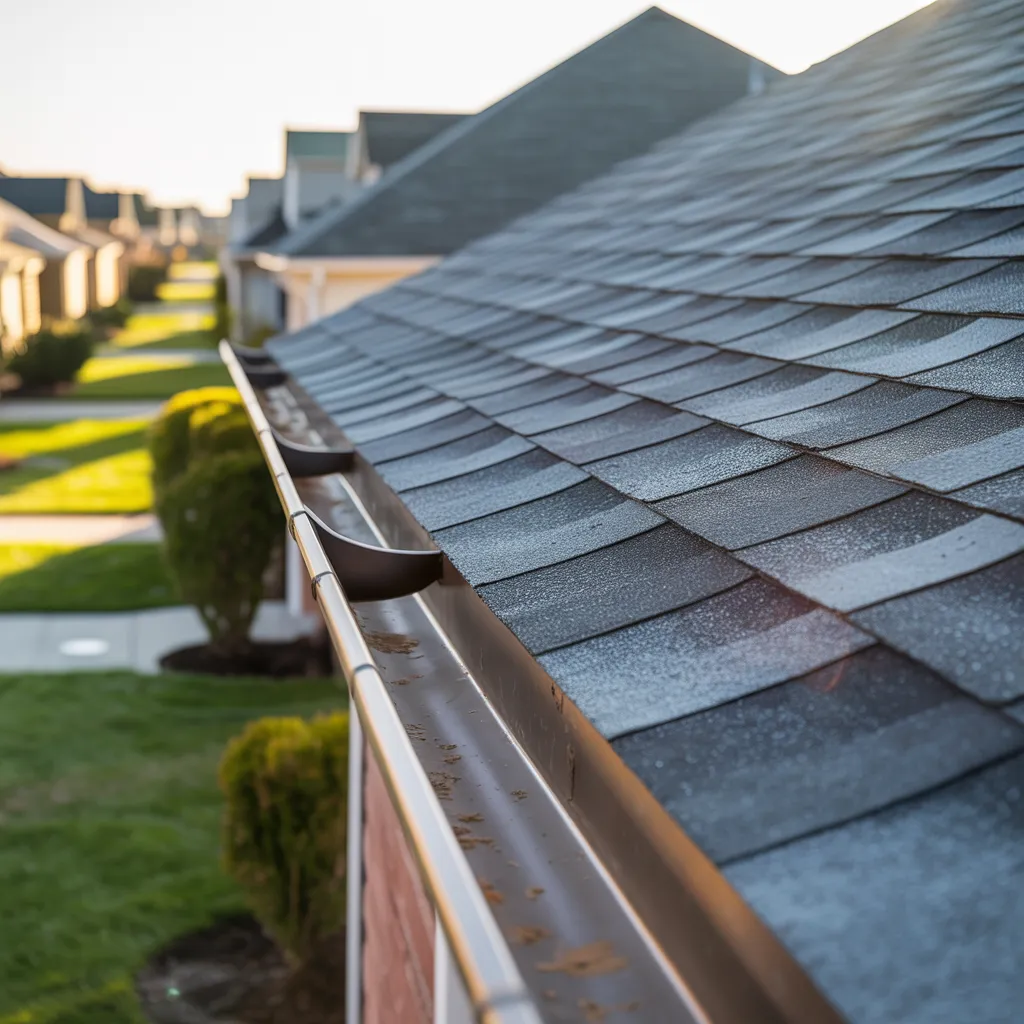
Why a Strong Roof Is Indispensable
A quality roof is important for any building, as it serves as the principal barrier against outdoor elements. It safeguards the interior from water, ice, wind, and ultraviolet rays, thereby sustaining the physical strength and comfort of the space beneath. A well-constructed roof not only stops leaks and water damage but also promotes energy efficiency by moderating temperature.
Plus, a high-quality roof improves the aesthetic appeal of a property, increasing its market value. Routine maintenance guarantees longevity, reducing the need for costly repairs or replacements. Additionally, committing to high-quality materials can provide superior warranties and enhanced longevity.
In areas susceptible to severe weather, possessing a strong roofing system becomes even more vital, safeguarding residents and belongings. Overall, a quality roof is a essential aspect of any building, highlighting its importance for protection, comfort, and investment.
Primary Roof Difficulties Homeowners Face and Steps to Correct
While homeowners may give importance to looks and operation, various usual roofing issues can undermine both. One prevalent issue is roof leaks, often caused by damaged shingles or improper installation. Homeowners are advised to regularly inspect their roofs, correcting any visible wear or gaps promptly. Another concern is poor ventilation, leading to heat buildup and moisture accumulation, which can affect roofing materials over time. Installing proper vents can alleviate this risk.
Moreover, accumulation of debris, such as leaves and branches, can capture moisture and support mold growth. Periodic cleaning and maintenance are essential to avert these hazards. Homeowners may also experience issues with flashing, which can fail and allow water infiltration. Repairing or replacing damaged flashing confirms waterproofing is maintained. By being proactive about these standard roof issues, homeowners can extend the life of their roofs and protect their investments effectively.
Roofing Material Options: Expenses and Pros
In discussions regarding roofing materials, homeowners regularly review asphalt shingles, metal roofing, and tile options. Each material delivers unique advantages and costs that can considerably determine a roofing project. Recognizing these factors is essential for making an informed decision that aligns with both budget and aesthetic preferences.
Asphalt Shingles Foundation
Asphalt shingles stand as a common preference in roofing products due to their economic value and versatility. Offered in two main types—three-tab and architectural—these shingles address a spectrum of aesthetic preferences and financial constraints. Three-tab shingles are usually more budget-friendly, while architectural shingles deliver superior durability and a more appealing appearance. Approximately weighing 2.5 to 3.5 pounds per square foot, asphalt shingles are lightweight, making them convenient to install. Their lifespan runs from 15 to 30 years, contingent on the standard and maintenance. Additionally, they are obtainable in an assortment of colors, allowing homeowners to tailor their roofs to match their homes' styles. Overall, asphalt shingles present a blend of cost-effectiveness and reliable operation, making them a popular option among homeowners.
Metal Roof Pros
Metal roofing offers various advantages that render it an appealing choice for homeowners seeking durability and energy savings. A primary benefit is its longevity; metal roofs can last from 40 to 70 years, considerably exceeding traditional roofing materials. Their resistance to extreme weather conditions, including snowfall and strong winds, enhances their desirability. In addition, metal roofing sheds solar heat, which helps in reducing energy costs during warm months. This energy efficiency is further complemented by its lightweight quality, which imposes less stress on the building's structure. In addition, metal roofs are low-maintenance, needing less upkeep than other roofing types. Offering variety in styles and finishes, homeowners can attain aesthetic appeal while benefiting from the functional advantages of metal roofing.
Tile Roofing Analysis
What aspects should homeowners evaluate when selecting tile roofs? First, the starting cost of tile roofing materials can be greater than competing products, but their durability often supports the investment. Tile roofs typically last 50 years or more, minimizing long-term repair expenses. Additionally, homeowners should assess the load of tile, as some buildings may necessitate reinforcement. Climate plays a substantial role; tile operates well in hot, dry regions but can be subject to cracking in extreme cold. Visual options abound, allowing homeowners to opt for styles that boost curb appeal. Finally, evaluate maintenance requirements; while tile roofing is generally low-maintenance, regular inspections are vital to promise longevity and performance. Balancing these factors can support informed decision-making.
Finding Your Suitable Roofer
How might homeowners ensure they choose the correct roofer for their needs? To start, they should research regional roofing contractors, highlighting their expertise and reputation. Web testimonials and recommendations can supply insight into prior results and satisfaction. Furthermore, homeowners should establish that the roofer is licensed and covered, securing assurance against potential financial obligations.
Finally, obtaining multiple quotes is vital. This permits homeowners to contrast pricing, services offered, and materials used. Clear communication is important; a reliable roofer should willingly respond and explain the process.
Finally, homeowners should ask regarding warranties and guarantees on both products and labor. A reliable roofer will stand behind their work, providing confidence. By adhering to these guidelines, homeowners can choose wisely, ultimately leading to a quality roof installation that meets their particular requirements.
Affordable Roofing Care Suggestions
Regular roofing upkeep can greatly prolong the duration of a home’s roof without exceeding the budget. Homeowners can employ several budget-friendly methods to make certain their roofs stay in peak condition. First, routine inspections are vital; identifying missing shingles, cracks, or debris can prevent expensive repairs later. Clearing gutters and downspouts of leaves and dirt will aid proper drainage, lessening the risk of water damage.
Additionally, property owners should cut tree limbs overhead to minimize the possibility of deterioration during bad weather. Putting on a roof sealant can also defend against leaks without a significant financial investment. Finally, watching attic ventilation will facilitate regulate moisture and heat levels, further keeping roofing materials. information By using these practical, low-cost maintenance tips, homeowners can effectively safeguard their roofs while remaining within their financial means.
Affordable Roofing Financing Options
Homeowners regularly experience unexpected roof repairs or replacements, which can pressure budgets despite diligent maintenance. To soften the financial load, many roofing companies provide affordable financing solutions tailored to personal needs. These options typically offer low-interest loans, flexible payment schedules, and special promotions that permit homeowners to efficiently manage expenses.
Some contractors collaborate with financial institutions to deliver seamless application processes, ensuring rapid availability of funds. Additionally, certain government programs could provide subsidies or rebates for energy-efficient roofing solutions, further easing the financial burden. Homeowners are urged to investigate these options, comparing requirements and specifications to find the most suitable option for their situation.
Frequently Inquired Questions
What is the Duration of a Standard Roofing Project to Complete?
A routine roofing project typically takes between one to three weeks to complete, depending on factors such as roof size, weather conditions, and the intricacy of the installation. Timelines may differ based on specific circumstances.
What Protections Can Be Found for Roofing Materials and Workmanship?
The majority of roof products and solutions include warranties spanning 20 to 50 years, addressing defects and installation issues. Homeowners should thoroughly examine these warranties to understand coverage terms and limitations before deciding.
Can I Add a New Roof Over My Existing One?
Yes, one can place a new roofing over an current roof, if the existing roof is in good condition and local building codes authorize it. However, it's vital to consult a professional for tailored advice.
When Should I Upgrade My Roof? A Practical Resource
Marks suggesting a roof replacement decision include extensive shingle damage, water damage, sagging, or age reaching 20-25 years. Homeowners should speak with a qualified expert for an review when these issues grow apparent to copyright safety and structural integrity.
What Should I Do if My Roof Has a Leak?
If a roof has a leak, the householder should first control the water to prevent damage. Then, they should look into the source of the leak and consider hiring a professional for a thorough assessment and necessary repairs.